

Key Takeaways
- Walking is a low-impact activity that’s easy on the joints and works for nearly any fitness level.
- Regular walks support heart health, balance, strength, and flexibility.
- A daily walk can lift your mood, ease stress, and sharpen mental focus.
- Starting small with 10-minute walks and building gradually is a great approach.
- Senior living communities make it easy to stay active every day.
The Benefits of Walking
You don’t need a gym membership, fancy gear, or a packed schedule to stay active. Sometimes the simplest habit makes the biggest difference, and walking is exactly that kind of habit. It fits right into your day without asking much in return.
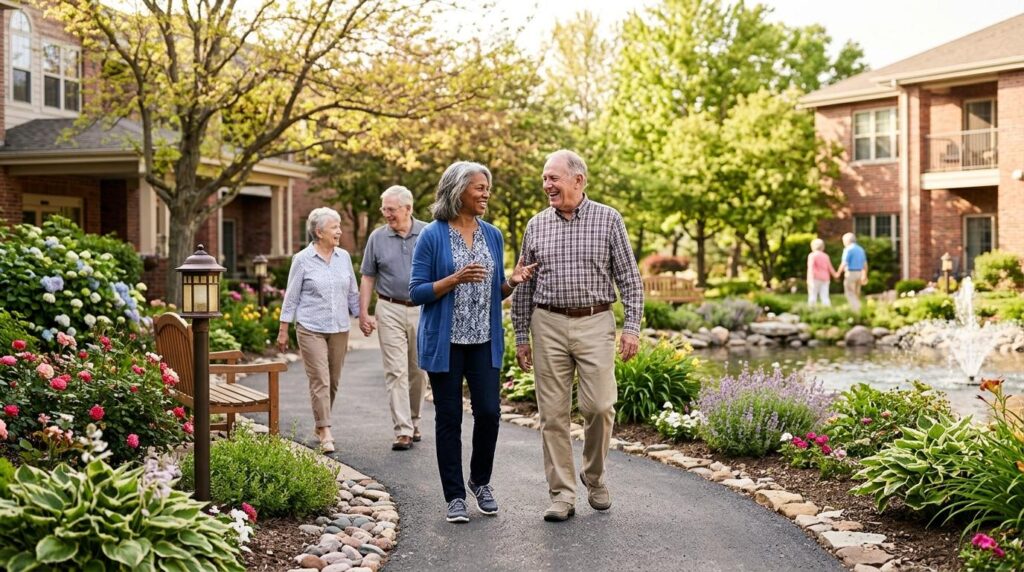
Walking is one of the most accessible ways to support your health, no matter where you’re starting from. It’s gentle on the joints, adaptable to your pace, and something you can genuinely look forward to. Whether you’re strolling around your community or exploring a new path, every step counts toward a healthier, more vibrant you no matter your lifestyle.
Lacing Up for Physical Health
Heart & Body Support
Your heart loves a good walk. Moving your body regularly helps support cardiovascular health over time, keeping your circulation strong and your energy levels up. Even a moderate daily walk can help your body maintain a healthy weight without feeling like a workout you dread.
The beauty of walking is that it works with your body, not against it. It’s low-impact, which means you get the benefits of movement without putting stress on your knees or hips. Over weeks and months, those small daily efforts really do add up. Walking offers a wide range of health benefits for older adults, from improved heart health and blood sugar control to stronger joints and better mental well-being.
Strength, Balance, & Mobility
Walking quietly builds lower body strength with every stride. Your legs, hips, and core all get a gentle workout just from moving through your day. That steady strengthening can make everyday tasks, like climbing stairs or getting up from a chair, feel noticeably easier.
Balance is another big win. Regular walking helps train your body to stay steady, which can reduce the risk of falls over time. It also keeps your joints flexible and your muscles active, so you move through life with more ease and comfort. If you’re looking for more ways to build stability, balance exercises for older adults can pair nicely with a regular walking routine.
The Mood Boost a Daily Walk Can Bring
There’s a reason a walk around the block can turn a tough morning around. Moving your body naturally triggers feel-good hormones that lift your spirits and ease tension. It’s not magic. It’s just your body doing what it was made to do.
Fresh air, steady movement, and a change of scenery may also help you feel more focused and present. Regular physical activity can support cognitive health as you age. It’s a small act with a surprisingly big return. And the more consistent you are, the more you’ll notice that steady, positive shift in how you feel day to day.
Make Walking a Part of Your Routine
Start Small & Build from There
You don’t have to jump into a long walk right away. Starting with just 10 minutes a day is a solid beginning. It gives your body time to adjust and helps the habit feel manageable rather than overwhelming.
From there, you can add a few minutes each week at whatever pace feels right. There’s no rush. The goal is consistency, not speed, and even a gentle daily walk kept up over time can bring real, lasting benefits. Starting slowly and building up gradually can help you create a safe, sustainable exercise routine.
Ways to Stay Motivated
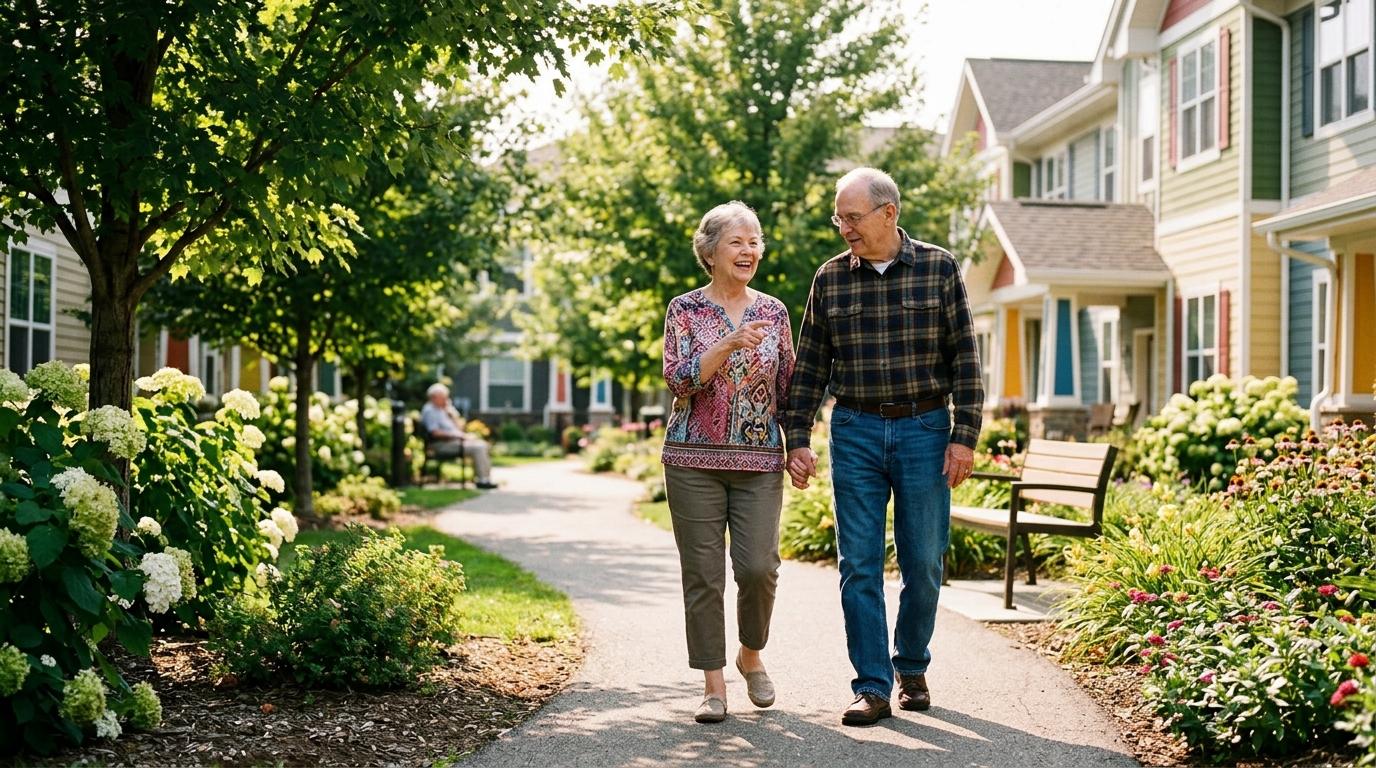
Walking with a friend or neighbor can make a huge difference. It gives you something to look forward to and turns exercise into a social moment you actually enjoy. You’ll find yourself showing up not just for the walk, but for the company.
Setting a simple weekly goal can also help you stay on track. Maybe it’s walking four days a week or reaching a new part of your neighbourhood by Friday. Switching up your routes can also keep your walks fresh and prevent them from feeling like a chore.
How Senior Living Supports an Active Lifestyle
Staying active can be easier when your surroundings make movement part of your daily routine. Walkable spaces, accessible amenities, and regular activities can create natural opportunities to move throughout the day. Whether that means taking a morning walk, joining a group activity, or simply moving at your own pace, the right environment can make staying active feel more manageable.
At Valora Senior Living of St. Anthony, independent living includes spaces and programs that support daily movement and wellness. Residents can choose activities that fit their interests, routines, and comfort levels.
Schedule a tour to learn more.