

Key Takeaways
- Coming home after a hospital stay often requires more support than expected.
- Assisted living offers personalized care plans that shift as recovery progresses.
- On-site health services reduce the need for outside trips and repeat hospitalizations.
- Social connection and spiritual well-being are a meaningful part of the recovery journey.
- Knowing what to ask can help your family find the right community fit.
When Coming Home Is Harder Than Expected
Your loved one just got discharged from the hospital, and you thought the hard part was over. But then reality settles in. Simple tasks like getting dressed, preparing meals, or remembering medications suddenly feel like enormous hurdles, and you find yourself wondering how to hold it all together while also taking care of your own life.
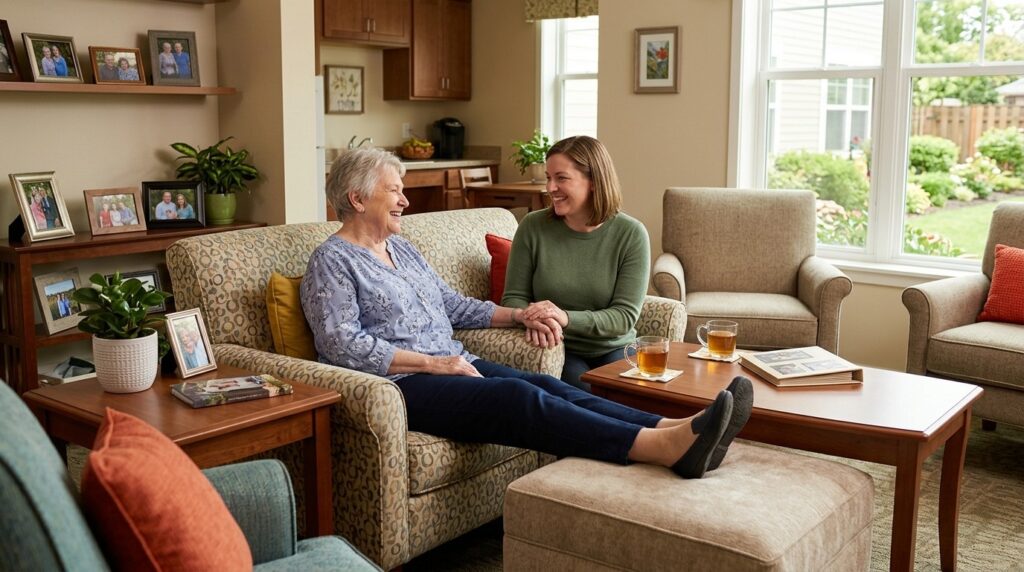
Valora Senior Living of St. Anthony can offer a steady, supportive bridge between the hospital and a full return to daily life through assisted living services that give your loved one the hands-on help they need while easing the weight on your shoulders. It’s not about giving something up. It’s about gaining a team that genuinely cares about what comes next.
What Assisted Living Actually Looks Like After a Hospital Stay
Personalized Care That Adjusts to Their Needs
No 2 recoveries look the same, which is why cookie-cutter care rarely works. A good assisted living community builds a care plan around your loved one specifically, taking into account their health history, their personality, and where they are in recovery right now. That plan isn’t set in stone either. As your loved one regains strength, the level of support can shift to match.
This kind of flexibility matters more than most families realize. What feels like a lot of help on day 3 may look very different by week 6. Having a team that notices those changes and adjusts accordingly makes the whole recovery process feel a lot less like a guessing game. If you’re wondering whether the timing feels right, learning more about when to consider assisted living can help bring some clarity.
On-Site Support That Comes to Them
One of the most tiring parts of recovery can be the constant back-and-forth to appointments. In assisted living, many health services come directly to your loved one. Through Lifespark COMPLETE, residents can access in-home primary care, coordinated services, and life management support without ever needing to leave the community.
That kind of convenience isn’t just comfortable. It also means your loved one is being seen regularly by people who already know their health picture, which makes it much easier to catch something early before it becomes a bigger issue. Understanding what long-term care options look like can also help your family plan with more clarity.
How Senior Living Communities Help Prevent the Hospital Revolving Door
Many families have watched a loved one recover, return home, and then end up back in the hospital a short time later. It’s exhausting and heartbreaking, and it happens more often than it should. Assisted living communities with integrated health models work to change that pattern in a few meaningful ways.
- Consistent daily check-ins help catch small changes before they escalate.
- Coordinated health management keeps all the moving pieces connected.
- Geriatric-focused care approaches support longer-term stability and well-being.
When a team truly knows your loved one, they can notice when something feels slightly off, even when it’s subtle. That kind of attentive, relationship-based care is something that’s hard to replicate at home without significant support in place. Exploring what to look for in a senior living community can help your family feel more prepared when weighing those options.
The Emotional Side of Recovery and Why It Matters
Social Connection as Part of Healing
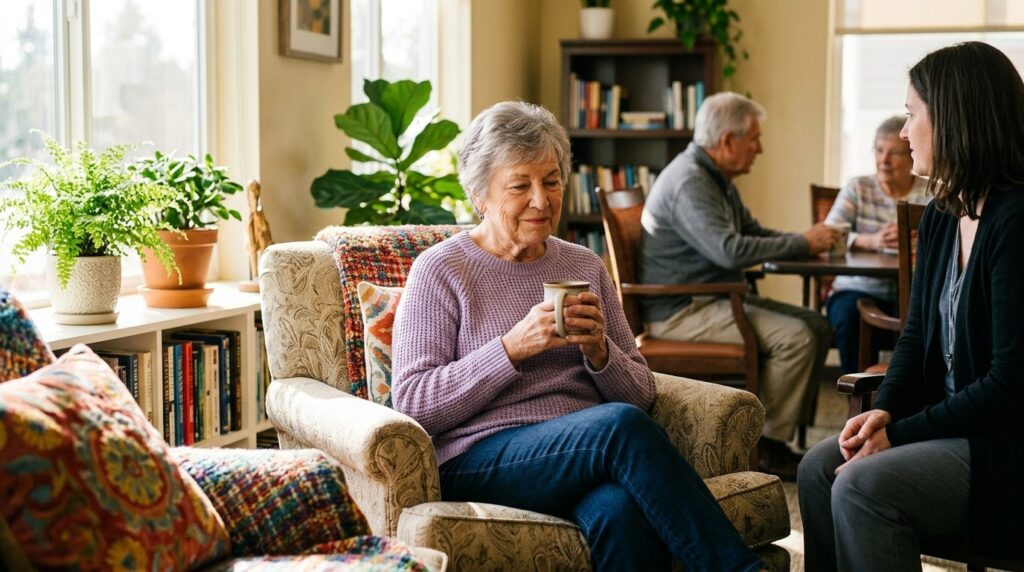
Recovery isn’t only physical. Spending long stretches of time alone or feeling disconnected from others can genuinely slow the healing process. In assisted living, daily programs and shared spaces give residents natural opportunities to engage with others, laugh a little, and feel like themselves again. Taking a look at the monthly activity calendar gives you a real sense of what that day-to-day connection looks like.
Those connections aren’t just nice to have. Relationships with peers, shared meals, and group activities all contribute to a sense of belonging that supports emotional health in real, tangible ways. Staying socially connected is one of the most meaningful things a recovery environment can support.
Spiritual and Emotional Well-Being
For many people, a health scare brings up big questions and deeper feelings that go beyond the physical. Valora Senior Living of St. Anthony offers chaplain support, one-on-one counseling, and spiritual programs designed to meet each resident exactly where they are. No pressure, no agenda, just compassionate presence.
Spiritual care is offered with full respect for each person’s beliefs and background. Whether your loved one finds comfort in prayer, quiet reflection, or simply talking with someone who listens, that support is available to them here.
What to Look for When You Choose Assisted Living for Recovery
Not all senior living communities approach post-hospital recovery the same way. When you’re touring or asking questions, it helps to know what to look for so you can feel more grounded in your decision.
- Ask how care coordination and health service access are handled on-site.
- Find out if the community offers respite care or memory care options alongside assisted living.
- Ask how the team communicates with families and how often you’ll be kept in the loop.
- Look for communities where staff genuinely know residents by name and story, not just by room number.
Valora Senior Living of St. Anthony is here to walk alongside your family through this transition. Reach out today to schedule a tour and see firsthand what warm, attentive care can look like for your loved one.