
Key Takeaways
- Loneliness can quietly yet progressively affect mood, memory, and overall well-being
- Regular social connection can give each day more meaning and purpose
- Both group programs and quiet one-on-one moments support mental health
- Senior living communities offer daily programming designed to keep residents engaged
- Social activity benefits extend to those in memory care and assisted living, too
- Exploring lifestyle options together can help your loved one find the right fit
Why Social Connections Matter for Seniors
You’ve probably noticed it yourself. When someone you love starts spending more time alone, something shifts. Their mood feels heavier. Conversations grow shorter. The spark that made them who they are seems a little harder to find.
It’s not always dramatic, but over time, isolation can quietly take a toll on mental and emotional health.
At Valora Senior Living of St. Anthony, social connection is woven into everyday life through thoughtfully designed programs and a genuinely caring community. Senior living is more than services and amenities here; it’s about how every moment can offer opportunities to feel fulfilled.
Social activities are one of the most powerful ways to help support mental health for seniors, offering connection, routine, and a sense of belonging.
Whether it’s sharing a meal with a neighbor or joining a group fitness class, those moments of human connection add up to something meaningful.
The Link Between Social Connection and Mental Well-Being
Loneliness doesn’t always look like sitting alone in a dark room. Sometimes it shows up as low energy, forgetfulness, or a general sense of “what’s the point?”
For many older adults, these feelings creep in slowly, especially when their social circles begin to shrink. Research on social isolation in older adults shows just how deeply those feelings can affect overall health over time.
Regular connection with others helps break that cycle. It gives people something to look forward to, someone to laugh with, and a reason to get up and get moving. Those bonds, even small ones, bring emotional balance and a steadier sense of joy day to day.
When each day includes meaningful interaction, life feels fuller. Your loved one isn’t just passing time. They’re building relationships, sharing stories, and finding purpose in the moments that matter most.
Types of Social Activities That Support Mental Health
Group and Community Programs
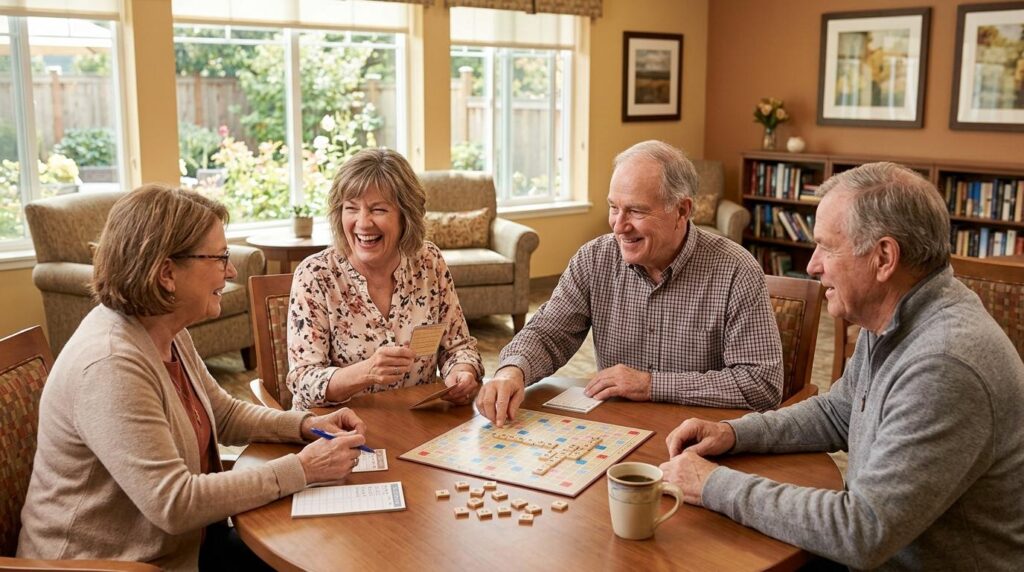
Shared meals, fitness classes, creative workshops, and group outings can give seniors a consistent way to connect with others who share similar interests. There’s something energizing about being part of a group, whether it’s a gentle yoga session or a lively dinner conversation.
Taking a look at the monthly activity calendar can give you a real sense of how much variety and warmth go into each week.
Spiritual and wellness programs add another layer of support. Programs like Lifespark’s Spiritual Health offering bring chaplains and spiritual leaders directly to residents, offering group sessions and personal time for reflection.
That kind of inner peace can make a real difference in how someone feels day to day. Staying engaged in activities you enjoy is one of the most meaningful ways to support well-being and healthy aging.
One-on-One and Low-Key Connections
Not everyone thrives in a group setting, and that’s completely okay. A quiet visit from a staff member, a personal check-in from a chaplain, or a slow afternoon walk with a neighbor can carry just as much weight emotionally.
Those gentle, low-pressure moments of connection remind your loved one that they’re seen, valued, and never alone. Sometimes the smallest interaction leaves the biggest impression.
How Senior Living Communities Foster Social Wellness
A good senior living community doesn’t leave social connection to chance. Daily programming keeps routines active and gives residents something to look forward to each morning. When the day has structure and variety, it naturally supports mood and mental clarity.
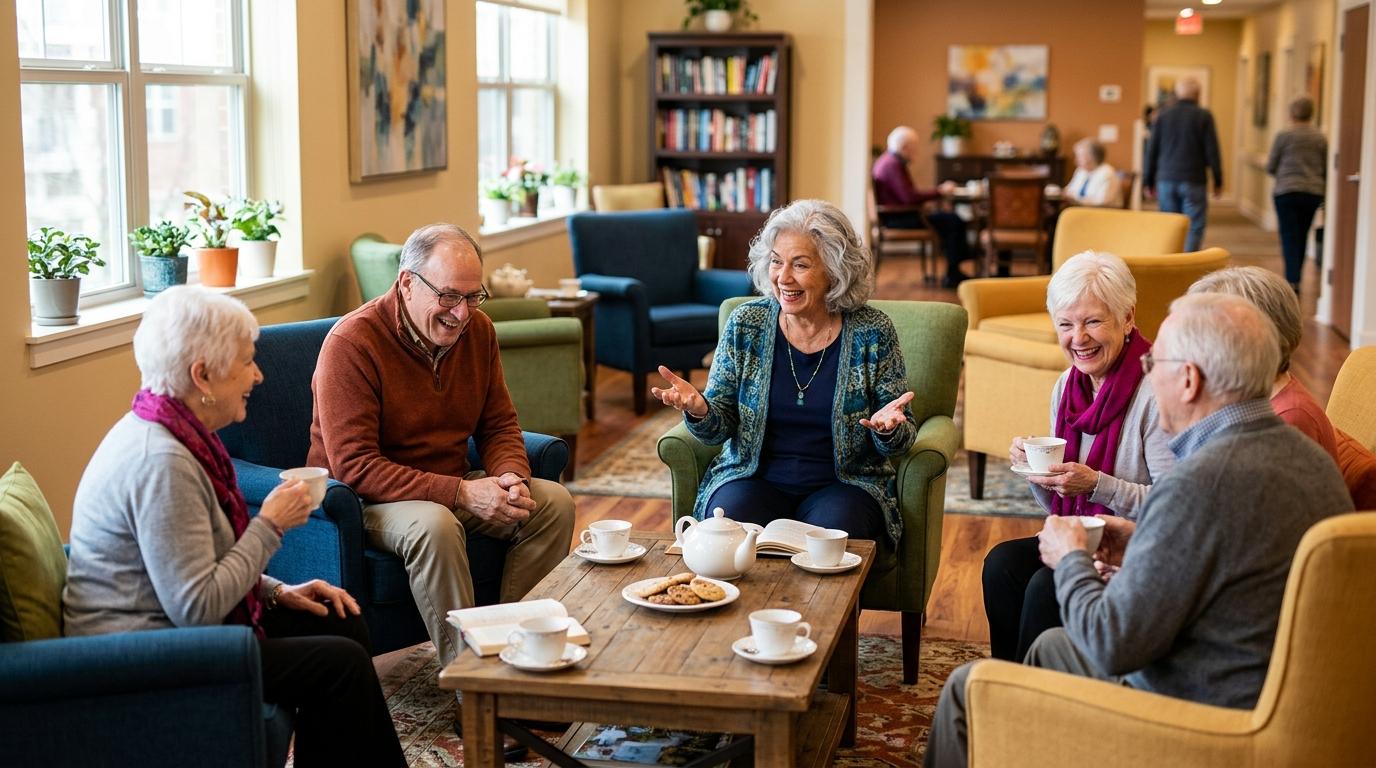
Shared spaces, like cozy common rooms, dining areas, and outdoor courtyards, invite conversation to happen organically. Your loved one doesn’t have to seek connection. It’s always part of the background.
Personalized care plans respect each resident’s social preferences, whether they love a full calendar or prefer quieter, more intentional interaction.
Social Activity Benefits for Assisted Living and Memory Care
Assisted Living
In assisted living, community connection plays a big role in lifting spirits and reducing feelings of isolation. When your loved one is surrounded by neighbors, engaged staff, and a full calendar of activities, loneliness has far less room to settle in.
Knowing when to consider assisted living is an important step that many families find helpful to explore together.
Supported independence encourages strength and belonging. Your loved one can get the help they need without giving up the things that make them feel like themselves. That balance matters more than most people realize.
Memory Care
For loved ones living with memory-related conditions, familiar routines and gentle engagement can reduce anxiety and create a sense of calm. When each day follows a reassuring rhythm, it becomes easier to feel grounded and safe.
Structured activities in memory care settings can offer meaningful cognitive stimulation. Singing familiar songs, working on light creative projects, or simply chatting with a familiar face can bring moments of clarity and joy, even on harder days.
How to Help Your Loved One Stay Socially Active
Start with a simple conversation. Ask your loved one what activities they’ve always enjoyed and what kinds of social settings feel comfortable to them. Their answers can guide you toward the right fit, whether that’s independent living or assisted living.
Look for communities with robust daily programming, warm communal spaces, and personalized care plans that honor each resident’s preferences. Visiting together can also help your loved one picture themselves there, not just as a resident, but as part of a close community.
At Valora Senior Living of St. Anthony, the door is always open for a tour, a conversation, or simply a look around. Reach out today and take that first step toward a life that feels connected, supported, and full of purpose.